High-Intensity Daily Personal Activities
Specialised support for complex medical needs — the kind of care that has to be done correctly to keep someone safe.

Keeping people safe and stable — without stepping out of their life
The NDIS uses this term for support involving specialised, high-risk, or medically complex care. These aren't routine personal care tasks — they're activities that, if done incorrectly, could put someone's health at serious risk. The purpose is straightforward: keep the person safe and stable, while still allowing them to live at home, attend school or work, and stay part of their community.

Complex, medically supervised care
Complex bowel care
Managing constipation, enemas, manual evacuation, or a designed bowel program.
Enteral (tube) feeding
Nutrition, hydration, or medication through a PEG or NG tube.
Tracheostomy care
Cleaning, suctioning, and monitoring to keep airways open.
Ventilation support
Operating and monitoring ventilators, responding to alarms.
Subcutaneous injections
Administering medication such as insulin safely.
Catheter & stoma care
Maintaining catheters, stoma sites, and bags to prevent infection.
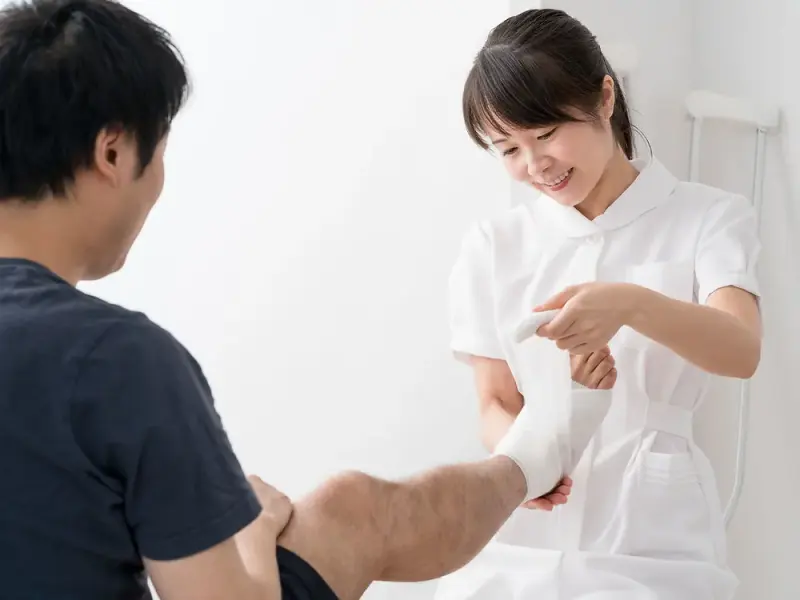
Complex wound care
Dressing chronic wounds, monitoring healing, reducing infection risk.
Seizure management
Recognising seizure activity, delivering emergency medication where required.
Not every support worker is able to provide HIDPA — that's intentional
- Support workers assessed specifically for competency in high-intensity tasks
- Registered and Enrolled Nurses (RNs/ENs) involved in oversight and complex interventions
- Ongoing training and refreshers, so skills stay current
- Clear escalation protocols, so staff know exactly when to involve medical professionals
Safety built into daily care, not bolted on
Emergency training
CPR, first aid, and escalation procedures.
Regular audits
Risk assessments, so nothing is missed.
Transparent communication
Families always know what's happening, and why.
Why Annzac Care
Annzac Care is building out its High-Intensity Daily Personal Activities documentation for families across the Augustine Heights and Ipswich corridor. We don't yet have published case studies to share, and we won't invent ones to fill that gap — as we work with participants and families, and with their consent, we'll add real examples here.
If you'd like to talk through what this could look like for your situation, get in touch — 6 Inigo Way, Augustine Heights QLD 4300.
You might also be looking at
Ready to talk through what this could look like?
Get in touch and we'll walk through it with you — no pressure, no jargon.